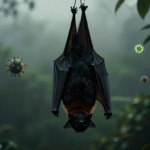
In the lush green states of southern India, a silent danger lurks in the shadows of fruit trees. The Nipah virus, or NiV, jumps from bats to humans and can kill up to 75% of those it infects. Recent scares in Kerala remind us that this zoonotic threat appears in cycles, hitting places like Kozhikode and Malappuram. We need to grasp its risks now more than ever to stay one step ahead.
Understanding Nipah Virus: Origins, Transmission, and Pathogenesis
What is Nipah Virus (NiV)?
Nipah virus belongs to the Paramyxovirus family. It lives mainly in fruit bats from the Pteropus genus. These bats carry it without getting sick, making them perfect hosts.
Scientists first found NiV in 1998 in Malaysia during a pig outbreak. It spread to people through close contact with sick animals. In India, it shows up differently, often linked to bat habitats near farms and villages.
Routes of Human Transmission in the Indian Context
People in India catch NiV by eating fruit contaminated with bat saliva or urine. Raw date palm sap or fallen mangoes pose big risks if not washed well. Contact with infected pigs or sick humans spreads it too, through bodily fluids like blood or spit.
In crowded homes or hospitals, droplets from coughs can carry the virus. This happened in past Kerala cases where family members got it from shared spaces. Bats roost in wells or roofs, so climbing or cleaning those spots without care leads to exposure.
Avoid touching bats directly. Gloves and masks help during farm work near bat areas.
Clinical Manifestations and Case Fatality Rates
Nipah starts with fever, headache, and muscle pain, much like the flu. It can worsen fast to breathing trouble or brain swelling, called encephalitis. Some recover, but many face long-term issues like seizures.
In India’s 2018 Kerala outbreak, 17 out of 19 cases ended in death, a 89% fatality rate. Earlier events in West Bengal showed rates around 50%. Quick care boosts survival odds, but delays prove deadly.
Watch for symptoms in high-risk zones. Early tests save lives.
Tracing the History of Nipah Virus Outbreaks in India
The Landmark 2001 Kerala Outbreak and its Immediate Aftermath
India’s first big Nipah scare hit Siliguri in West Bengal in 2001. At least 45 people died from what seemed like a mystery illness. Doctors later confirmed NiV after lab tests linked it to bats and hospital spread.
The outbreak confused health teams at first. They thought it was Japanese encephalitis. Tracing contacts took time, but it led to better alert systems.
In Kerala that same year, a smaller event killed two. Pigs and bats played roles, sparking farm culls. These steps cut the spread but showed gaps in rural readiness.
Subsequent Sporadic Appearances Across Southern India
Kerala saw NiV return in 2018, with 17 deaths in Kozhikode. A single patient spread it to 18 others in a hospital chain. Bats near wells were the source.
The next year, 2019 brought two more cases there. One man died after eating bat-touched fruit. Quick isolation stopped wider panic.
States like Karnataka reported isolated spots in 2002, tied to pig farms. Tamil Nadu had alerts in 2003. Each event built knowledge on bat patterns.
Comparative Analysis of Outbreak Severity and Geographic Spread
The 2001 Siliguri event affected 66 people, with high hospital transmission. Kerala’s 2018 wave was smaller but deadlier at 89% fatality. Southern states see more cases due to dense bat populations.
West Bengal outbreaks stayed urban, while Kerala’s hit rural spots. Total Indian deaths top 100 since 2001. Patterns show seasonal spikes in winter, when bats seek shelter.
This spread teaches us to map bat zones for alerts. Early warnings could halve impacts.
India’s Public Health Response: Surveillance, Containment, and Research
Enhanced Surveillance and Early Detection Systems
India’s ICMR and NIV labs track NiV through bat sampling and fever reports. They focus on Kerala and Bengal, where bats thrive. Weekly checks in villages catch signs early.
Apps and hotlines let locals report sick animals or odd illnesses. This network spotted the 2019 Kerala case fast. Training village health workers boosts ground-level eyes.
Strong surveillance cuts response time from weeks to days.
Containment Strategies Deployed During Recent Outbreaks
In 2018 Kerala, teams traced 200 contacts and isolated them at home. Quarantine zones locked down villages for weeks. No new cases after 21 days marked success.
PPE for doctors prevented hospital jumps. They set up fever clinics to screen outsiders. Culling nearby pigs helped in past events.
These moves contained the virus to under 20 cases. Lessons from them shape today’s plans.
The Role of National Laboratories in Diagnostic Advancements
NIV in Pune runs RT-PCR tests to spot NiV in hours. ELISA checks antibodies for past exposure. During crises, they train local labs for quick results.
In 2018, they confirmed cases overnight, guiding lockdowns. Mobile units now reach remote spots. Better tools mean fewer false alarms.
This backbone ensures India stays prepared.
Prevention and Community Preparedness: Actionable Steps for Mitigation
Vector Control and Zoonotic Interface Management
Wash fruits under running water before eating. Peel them if bats might have touched. Cover date palm trees with nets during sap collection.
Farmers should fence pig pens away from bat trees. Report dead bats to health offices right away. Clean roofs and wells without bare hands.
Simple habits like these block most jumps from animals to us.
Clinical Management Protocols and Supportive Care
If you suspect NiV, seek care fast but call ahead. Doctors use full PPE—gowns, masks, goggles—to handle patients. Isolate rooms stop spread in clinics.
Supportive steps include IV fluids and oxygen for breathing. No cure exists, but ribavirin helps some. Train all staff on waste disposal.
Follow these to protect health workers too.
Public Awareness Campaigns: Overcoming Misinformation
Government ads on TV and phones teach true facts about NiV. They stress reporting symptoms, not hiding them. Posters in markets show safe fruit handling.
In Kerala, school talks cut fear and boosted clinic visits. Social media fights rumors like “it’s just flu.” Clear messages build trust.
Join local drives to spread the word.
The Path Forward: Vaccine Development and Long-Term Strategy
Status of Nipah Vaccine Candidates Under Development
Global teams test mRNA vaccines against NiV in early trials. India’s ICMR joins efforts for a bat-safe shot. Pre-clinical work shows promise, but human tests lag due to rare outbreaks.
ChAdOx1 candidates protect animals well. Funding pushes phase one by 2027. A vaccine could end panic cycles.
Stay tuned for updates from health bodies.
Integrating Nipah Preparedness into Broader Pandemic Planning
India’s national plan must include NiV drills yearly. Stock PPE and tests in bat areas. Link it to COVID lessons for faster action.
Allocate funds for bat monitoring nationwide. Train more rural docs on symptoms. This setup guards against all emerging bugs.
Strong ties between states speed shared responses.
Conclusion: Vigilance as the Primary Defense Against Nipah
Nipah virus outbreaks in India challenge us with high death rates and quick spreads from bats. We’ve learned from 2001 Kerala shocks to 2018 containments, building surveillance and quick tests. Key hurdles like slow diagnosis and human-animal contact remain, but local watches and national labs counter them.
Sustained efforts in awareness and prevention hold the line. Wash that fruit, report odd fevers, and support vaccine pushes. Together, we turn vigilance into victory over this hidden foe. Stay alert—your actions save lives.